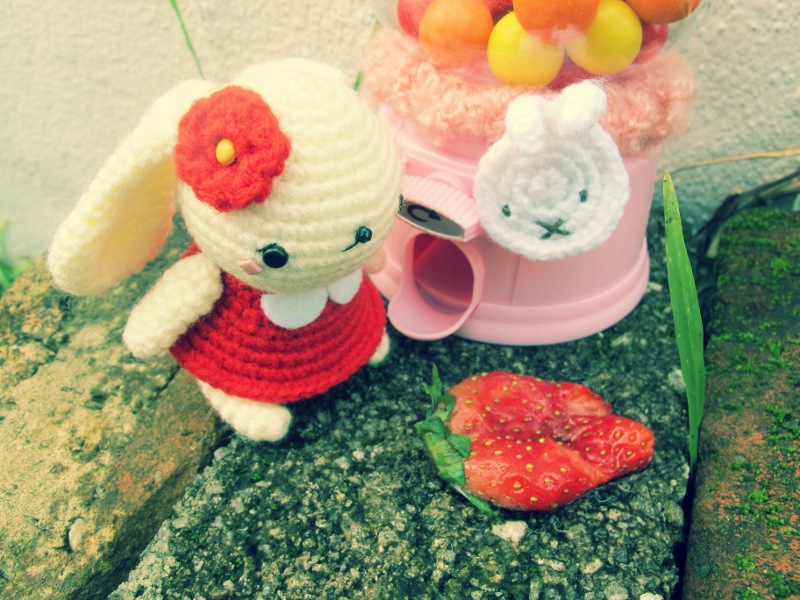
While the others have tried telling Luna-chan that size doesn’t matter, the big bunny knows better.
You can often find her in a melancholic state at her favourite spot in the garden, pondering about the mysteries of life.
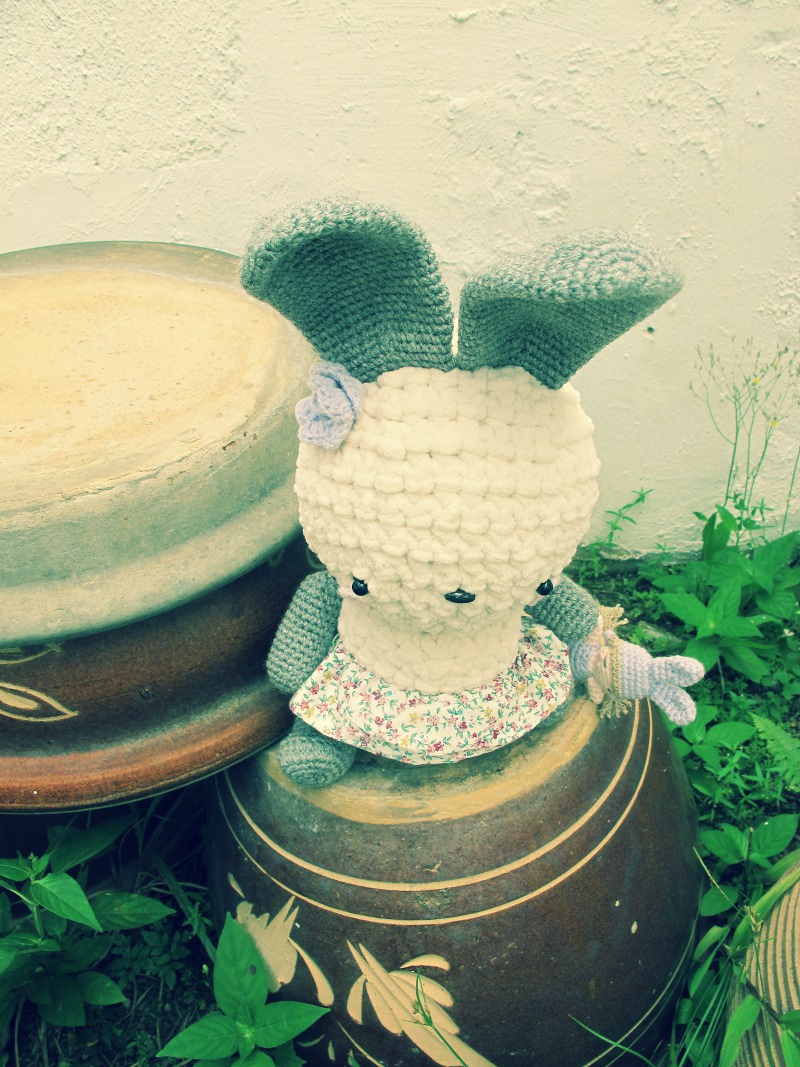
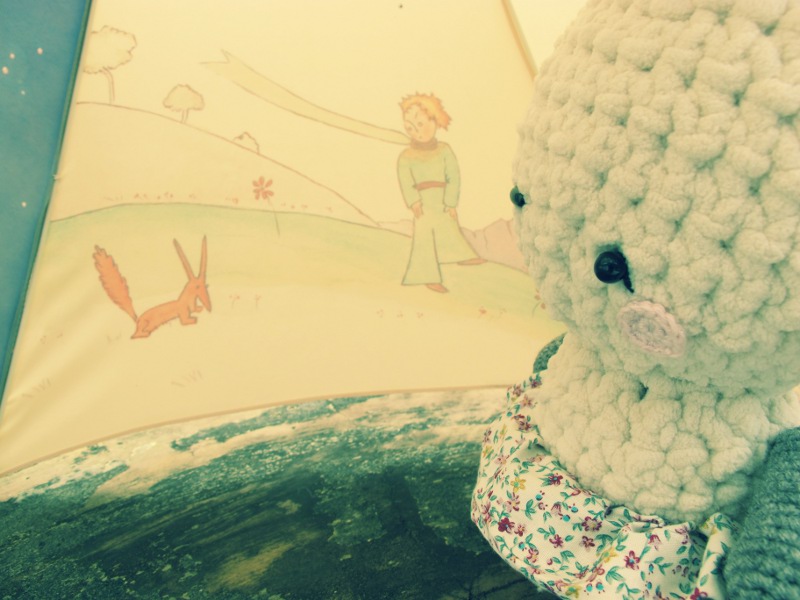

While the others have tried telling Luna-chan that size doesn’t matter, the big bunny knows better.
You can often find her in a melancholic state at her favourite spot in the garden, pondering about the mysteries of life.
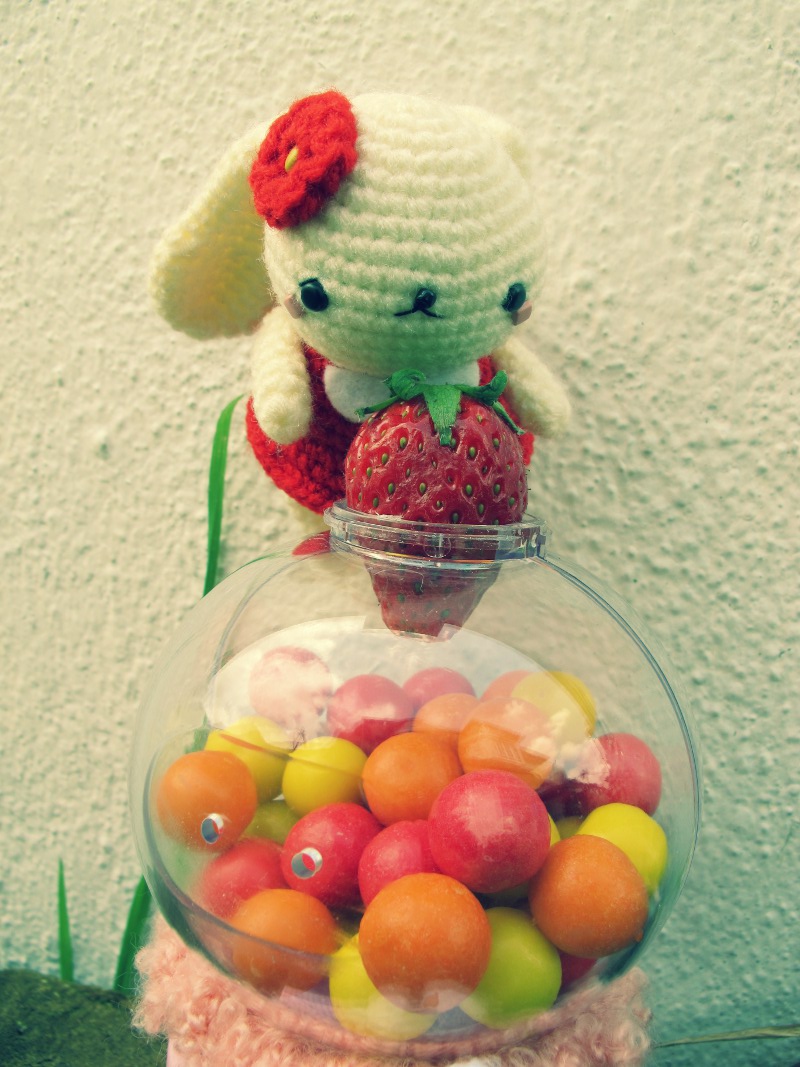
For emergencies, Kiko-chan has a custard cookie on her head.
From time to time, she forgets.

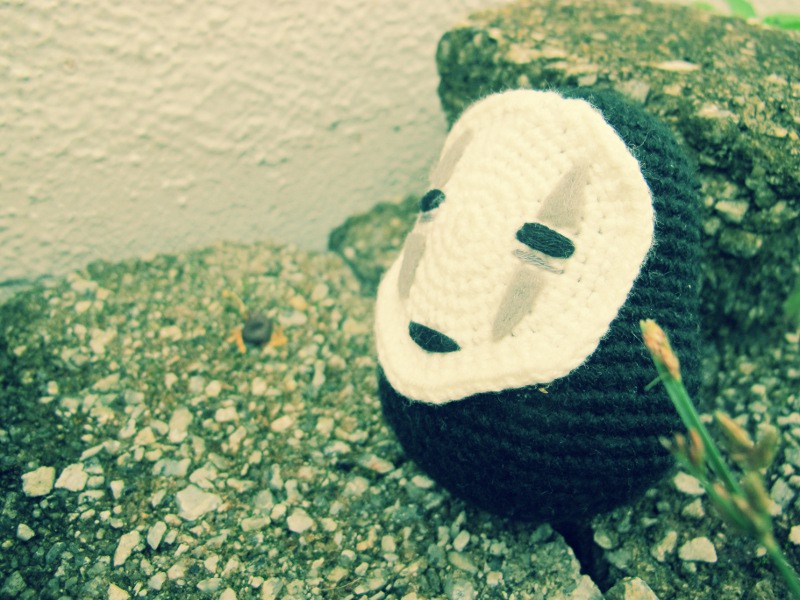
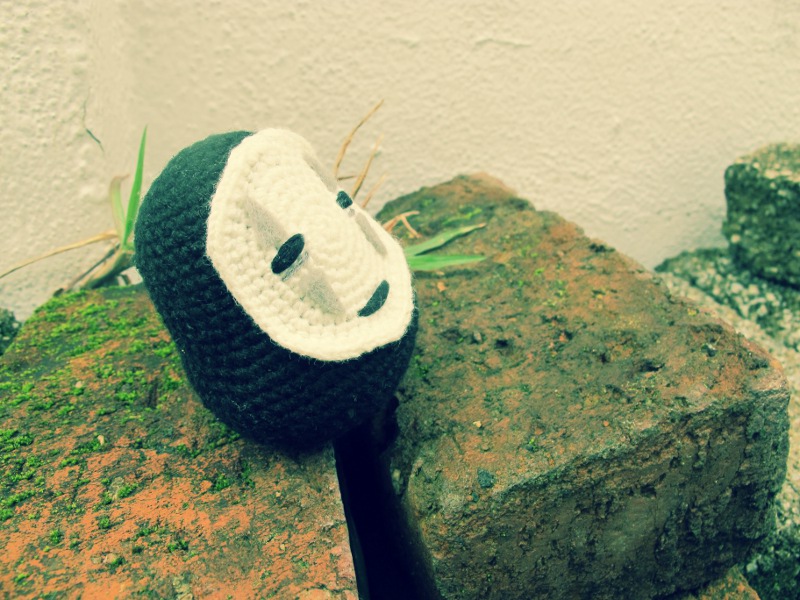
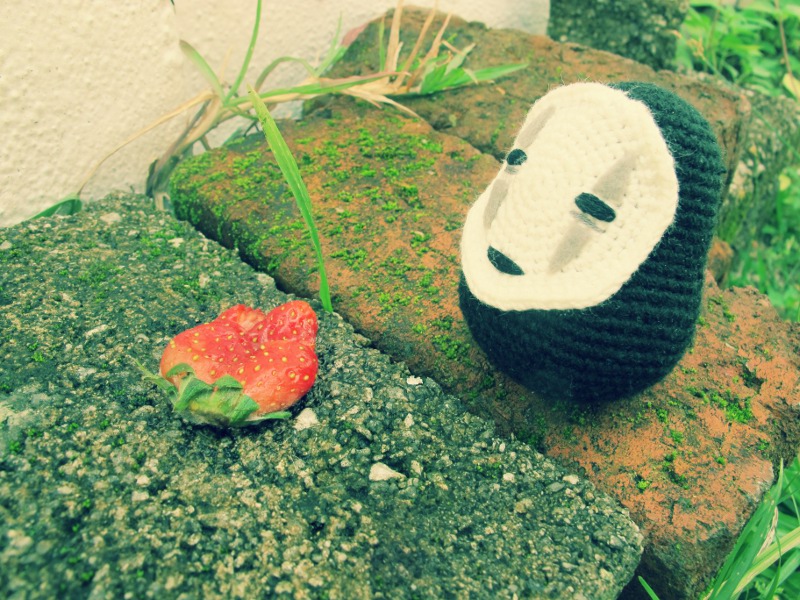
To please his father, Baby Kaonashi-chan has promised that he will make the most out of his first hunt alone.
Having been born in the year of the piggy, Meimoirs has this special affinity with all things oink-like. She grew up singing along to a nursery rhyme that goes something like this:
To market, to market to buy a fat pig; home again, home again, jiggety jig.
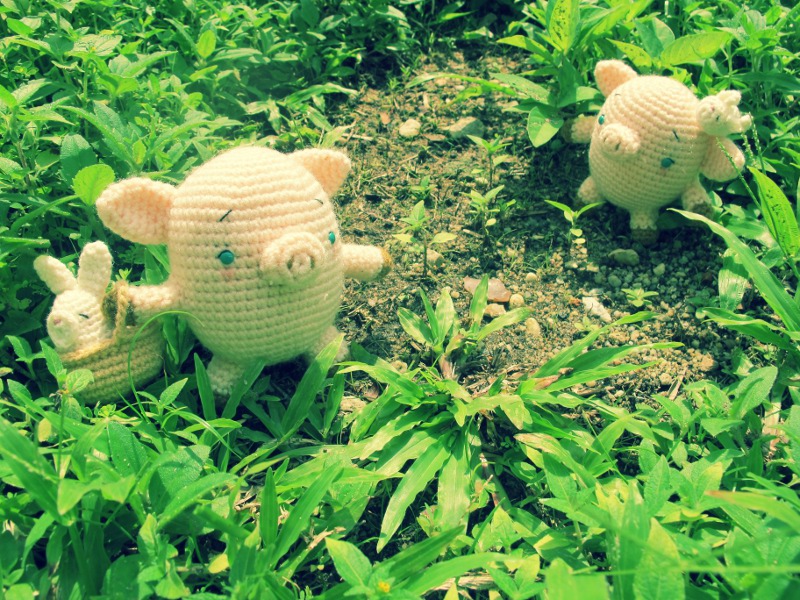
Adele and her son Adieu are French teacup pigs with bunnies for pets. It’s bright and early, and the two already have their day planned out – to the market it is.
Kaonashi, which means “no-face” in Japanese, is a melancholic soul that appears in Spirited Away.
It is a meat-lover, by choice.
In the Japanese culture, there is a word that perfectly describes the design of the Kaonashi character. “Kimokawaii” refers to something that is grotesque to the point of being endearingly beautiful.
Very Kaonashi indeed.
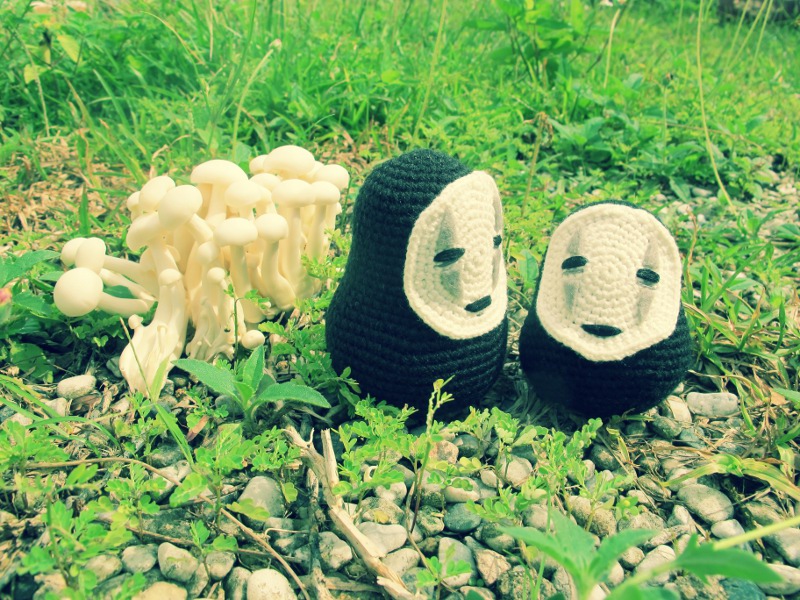
Spirited Away is one of Meimoirs’ favourite films. The 2001 Oscar-winning Japanese anime draws its inspiration from an Alice in Wonderland-like world of whimsiness, introducing us to countless multi-faceted characters.
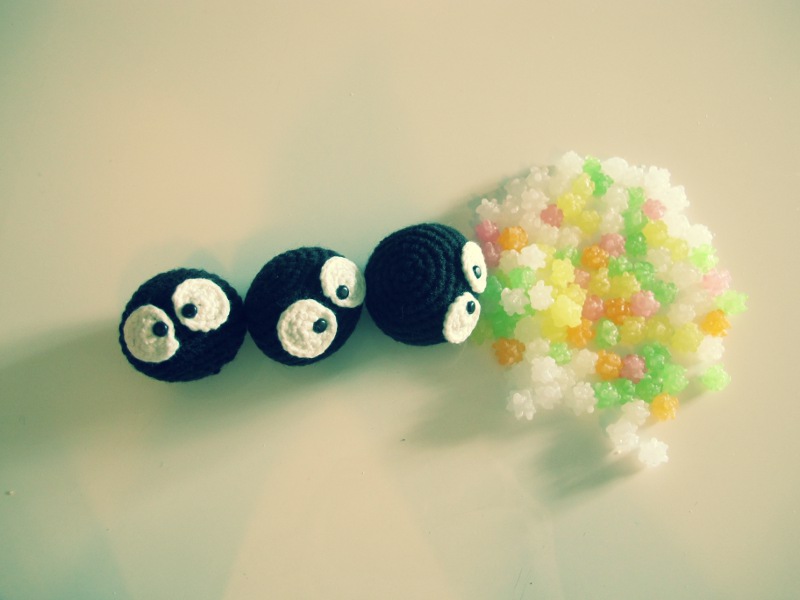
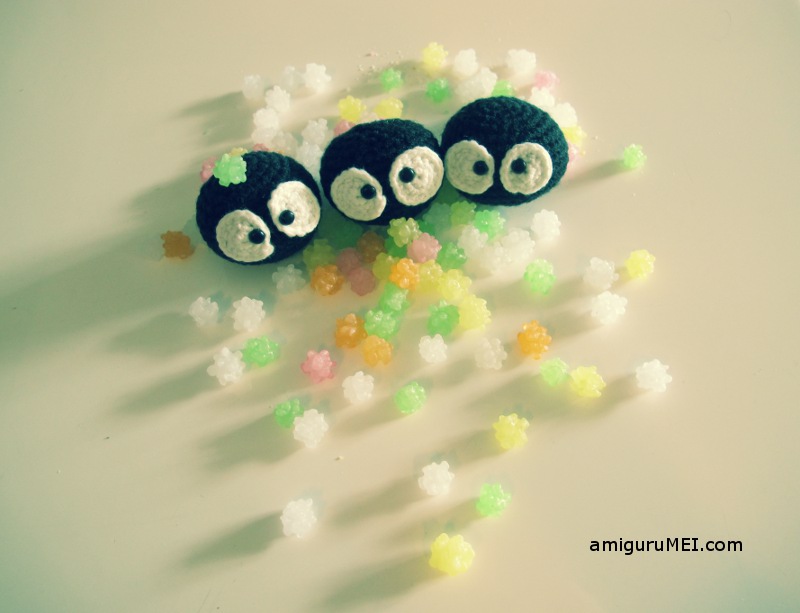
In one of the scenes, the susuwatari returns for a cameo – the tiny, black critters first appeared in My Neighbour Totoro and were known as dust bunnies or soot sprites. The name “susuwatari” literally means “travelling soot”.
They exist on petite rainbow-hued Japanese sweets called kompeito, a type of thank-you-for-coming gift by the Imperial House of Japan.

In the previous post, we touched briefly on the Totoro character.
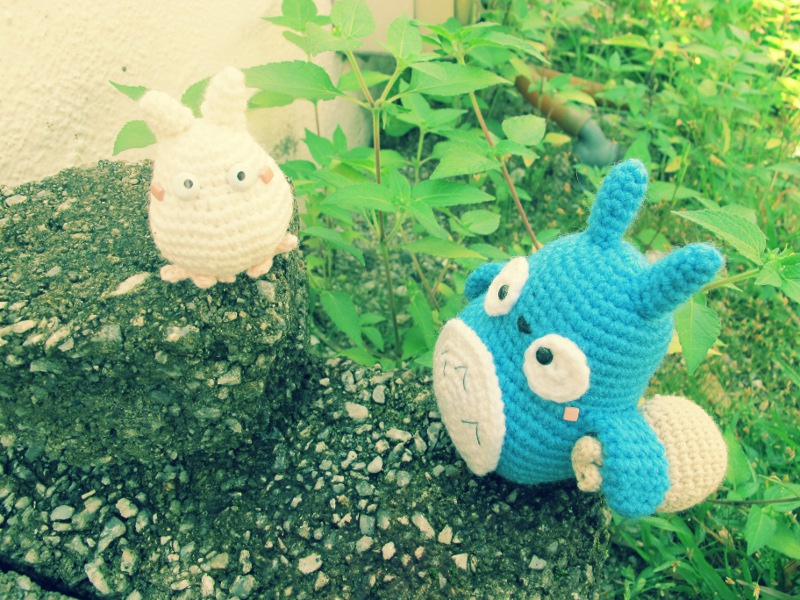
To be more precise, there are three kinds of Totoro: the large grey Totoro, which is about 1300 years old and seven-feet tall, the medium blue Totoro, which is about 600 years old, and the tiny white Totoro, which is about 100 years old. It seems that as Totoro grows, he sprouts arms and whiskers, and changes colour in the midst of it all.
In amiguruMEI’s world, the big fuzzy Totoro has yet to be sighted in the flesh.
Until now that is, according to Shiro-toro-chan, the white Totoro.

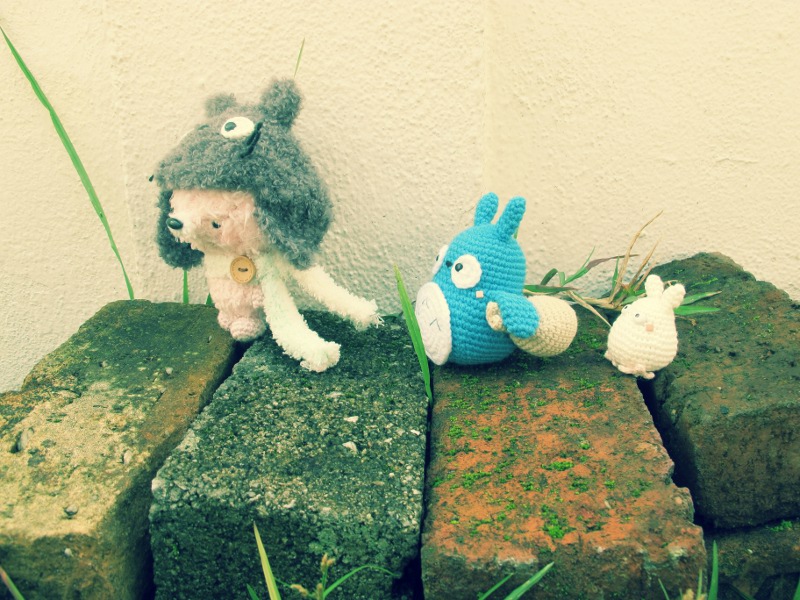
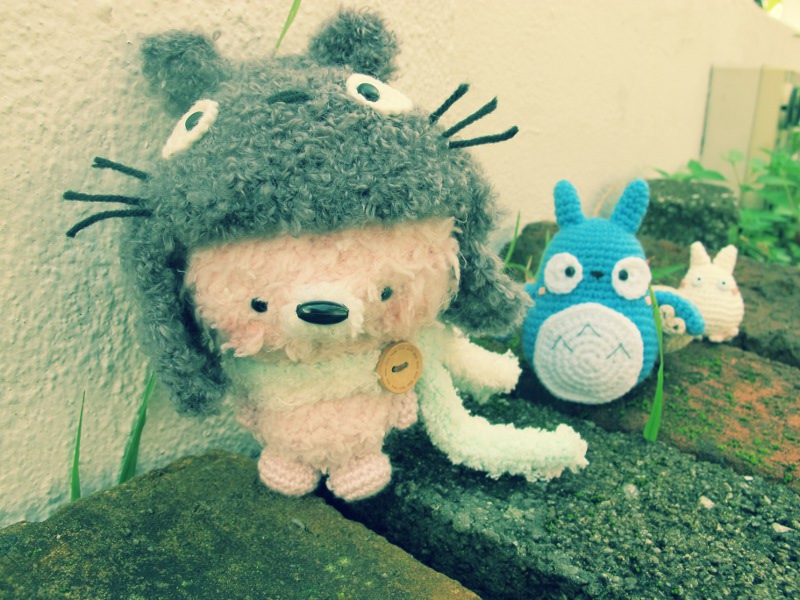
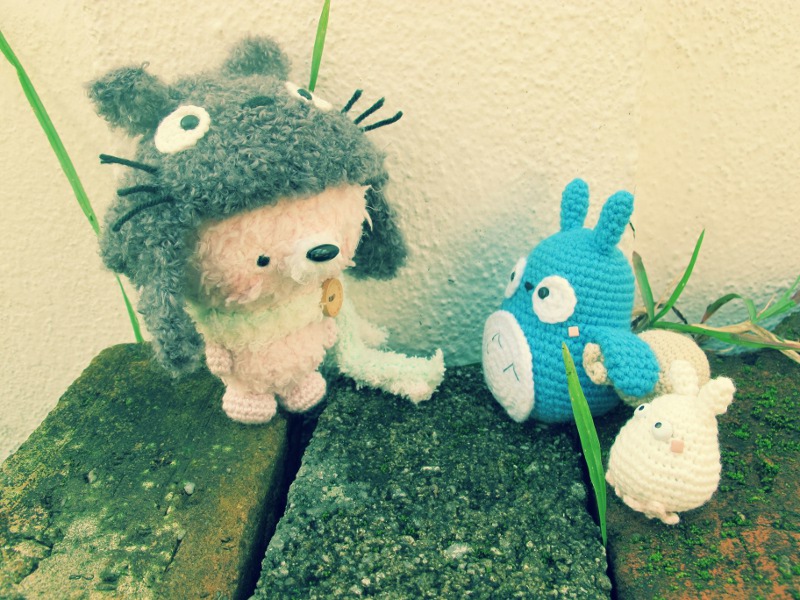
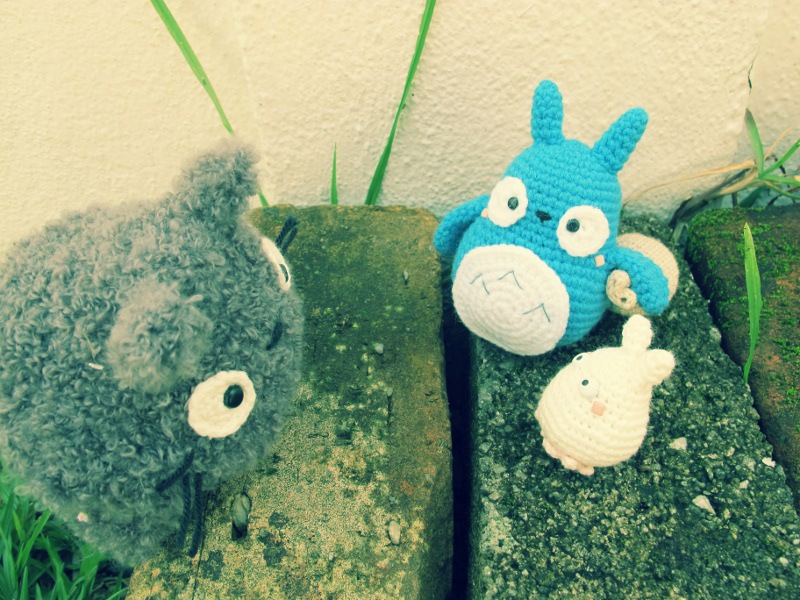
If Meimoirs were given a chance to wander in the realms of amigurumi, she would be Mei-chan – all fluffed up for some kawaii fun!
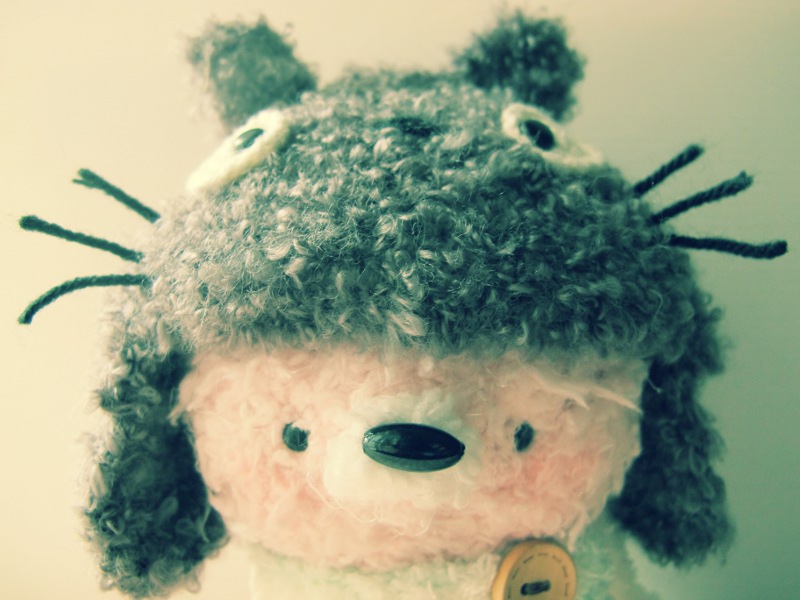
Mei-chan is a marshmallow-pink fuzzy fox. On her head is none other than a grey fuwa fuwa (fluffy) Totoro hat!
Totoro is a large forest creature that live on acorns and plays the ocarina on moonlit nights. The character first appeared in My Neighbour Totoro, a delightful 1988 anime by Japanese manga artist and acclaimed filmmaker Hayao Miyazaki, who co-founded the animation powerhouse, Studio Ghibli.
Mei-Chan is the first of many in amiguruMEI’s Makura Atama (Pillow Head) series. She snacks on mochi and cream puffs, and is known to be a fan of boba tea.
 amiguruMEI